
DK Yarns


What is DK Yarn?
DK stands for double knitting — a name that dates back to a time when the weight was produced by doubling a 4 ply yarn. Today it is simply a standardised yarn weight, defined by its knitting tension of approximately 21–23 stitches per 10cm on 4mm needles, and it is consistently the most popular yarn weight sold in the UK.
DK sits comfortably in the middle of the yarn weight spectrum — lighter and quicker to knit than Aran, but with more stitch definition and warmth than a fine 4 ply. That middle-ground versatility is exactly why it dominates knitting patterns in the UK and internationally. A huge proportion of contemporary knitwear patterns — from beginner hats to sophisticated stranded colourwork sweaters — are written for DK weight, making it the weight where the widest range of patterns is available at any skill level.
What Can You Knit with DK Yarn?
Almost anything. DK's versatility is its defining characteristic. The most common DK projects are sweaters and cardigans — the weight produces a fabric with enough body for outerwear without being heavy or bulky — but the list extends to hats, mittens, cowls, socks, shawls, blankets, baby garments, colourwork accessories, and home items such as cushion covers and throws.
For beginner knitters in Scotland and across the UK, DK on 4mm needles is the universally recommended starting combination. The stitches are large enough to see clearly, the yarn handles easily, and the tension is forgiving — all of which makes learning the mechanics of knitting significantly easier than starting on a finer weight. The majority of beginner knitting kits and starter patterns are designed specifically around DK for precisely this reason.
DK is also the weight of choice for most colourwork knitting at an accessible scale. Fair Isle patterns, Nordic motifs, and contemporary stranded designs all translate clearly and beautifully at DK gauge, with pattern repeats large enough to handle confidently but detailed enough to produce striking results.
Orry Yarn — Our Own DK, Made in Britain
Orry Yarn is our own brand of 100% merino DK yarn, spun and dyed at Laxtons of Bradford — one of Britain's most respected spinning mills. It comes in a 16-colour palette designed by Thilde, The Orry Mill's Creative Director, drawing on Scottish landscapes: granite, heather, fern, sea light and moorland weather.
At 50g / 115m per ball, Orry Yarn is a premium-feel DK designed with colourwork in mind — the palette is built so that colours sit harmoniously together, encouraging knitters to explore two-colour and stranded designs with confidence. It is accompanied by an original pattern collection including sweaters, hats, blankets, and accessories, all available to purchase with yarn kits from The Orry Mill.
If you are looking for a DK yarn made in Britain, with a considered colour system and a pattern range built around it, Orry Yarn is the obvious starting point. Shop Orry Yarn →
Choosing the Right DK Yarn
With so many DK yarns available, the most important deciding factors are fibre content, wash care, and the specific demands of your project.
Merino DK is the most popular choice for most knitters — it is soft enough for garments worn against the skin, elastic enough to knit evenly and block well, and available in a wide colour range. Superwash merino is worth considering for garments that will be worn and washed regularly, as it can be machine washed on a wool cycle without risk of felting.
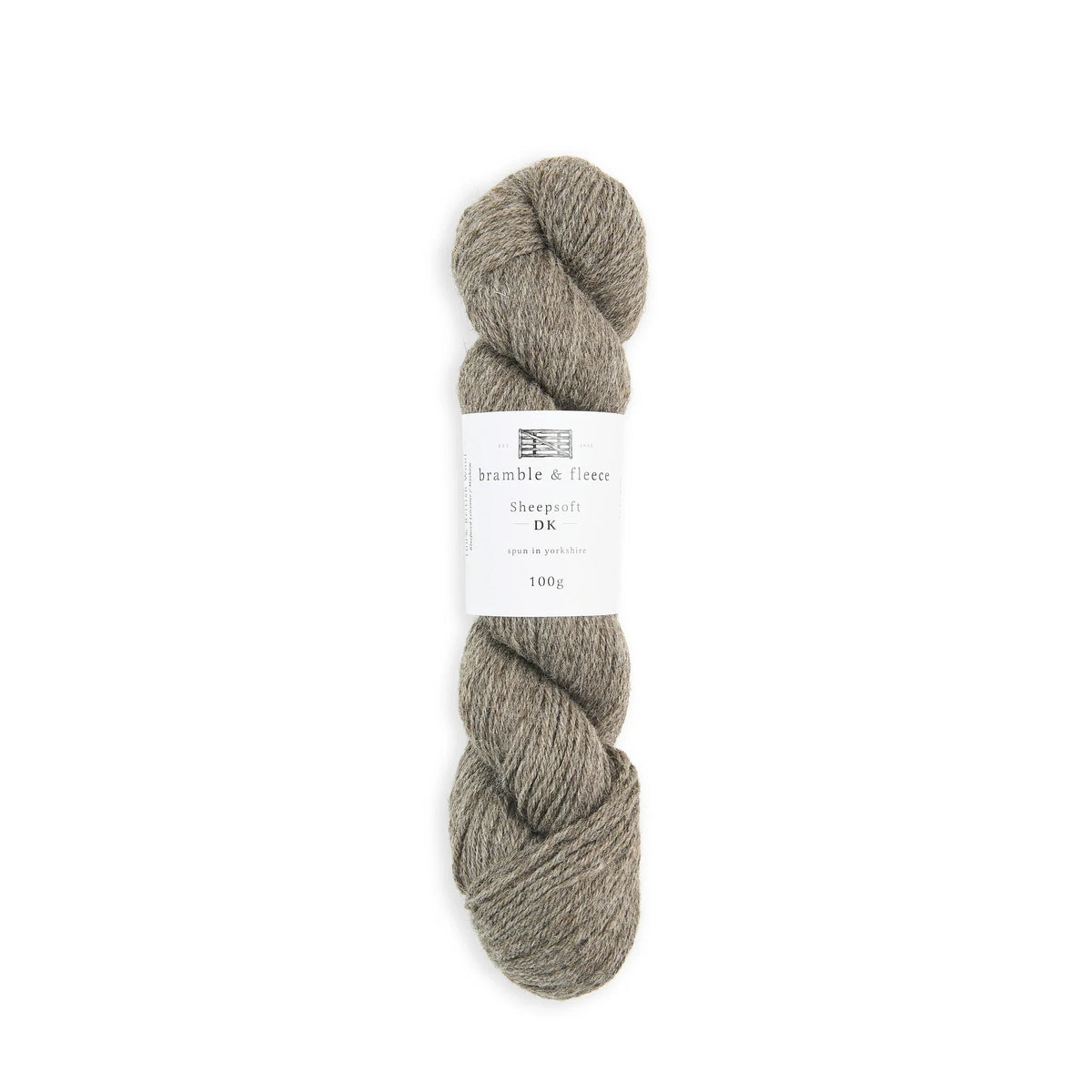
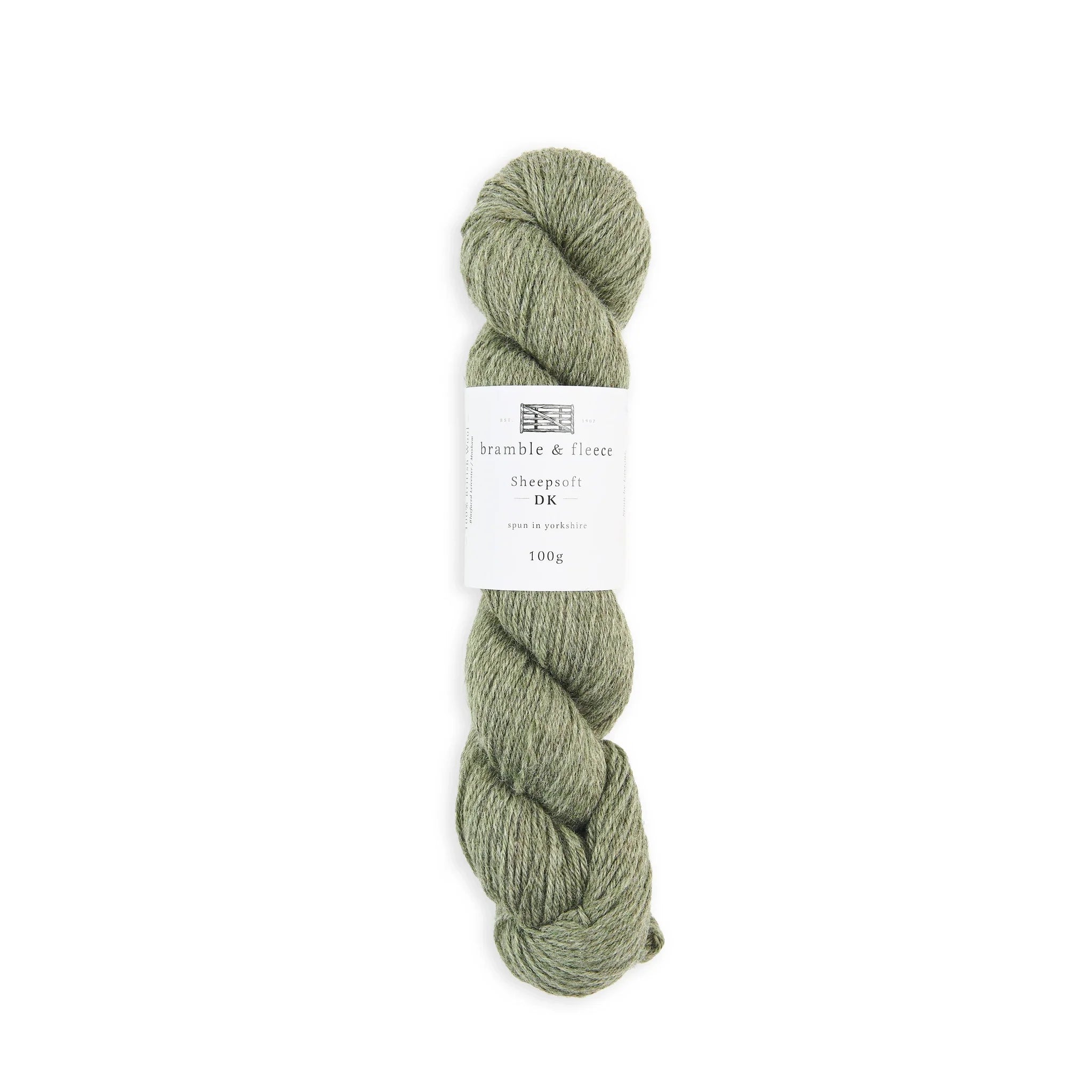
British wool DK — from breeds like Bluefaced Leicester, Wensleydale, or Shetland — offers excellent durability and a characteristic rustic handle that works beautifully for outerwear, accessories, and colourwork. West Yorkshire Spinners and Rowan both carry strong British wool DK options within our collection.
Cotton and cotton-blend DK yarns are worth considering for summer garments and children's knitwear, where breathability and easy wash care matter more than warmth. They behave differently to wool on the needles — less elasticity means a slightly firmer knitting style is needed — but the finished fabric is lightweight and practical.
Browse our full DK collection above, or explore related collections including our Aran yarn, 4 ply yarn, and merino yarn.